





















Zebu — 购买或出售


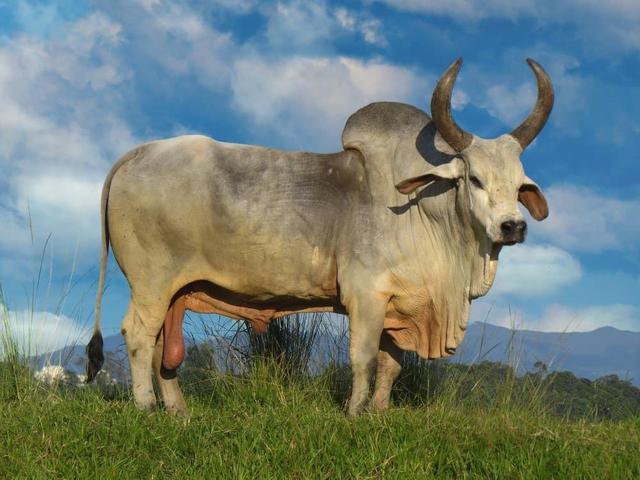
History of the breed: Zebu is a collective name for cattle of the species Bos indicus. They comprise numerous breeds that are predominantly found in South Asia, Africa, and tropical regions. The history of zebu dates back to ancient times, and they can be considered one of the first animals domesticated by humans. The exact dates when zebu were first domesticated remain a mystery, but archaeological findings confirm that these animals inhabited Central Asia as early as 3,000 to 2,500 years BC. Their presence in this region is noted in ancient materials studied by Russian and Soviet scientists. The original distribution area of zebu covered the northwest of South Asia, from where they began to spread to other regions. In the 17th and 18th centuries, small groups of zebu were exported from India to countries in South America. Brazil was particularly significant, as zebu were imported there to improve local cattle. Initially, these were single shipments, but from 1890 to 1921, more than 5,000 head were brought from India to Brazil. However, an outbreak of cattle plague temporarily halted this process. In the absence of new shipments from India, crossbreeding of zebu with local breeds began in Brazil, leading to the emergence of the so-called Indo-Brazilian Zebu. This breed combines the qualities of the imported animals with the adaptive abilities of the local cattle. Today, zebu can be found on almost all continents, but the largest populations are in two countries. India remains the leader, with about 270 million head, while Brazil has around 155 million. Zebu play an important role not only in agriculture but also in the culture of certain regions. Exterior: Zebu are cows that can vary greatly in appearance depending on the breed, but there are several characteristics common to most representatives of this group. One of the most noticeable features is the hump located in the withers area. It mainly consists of muscle rather than fat, and although its exact role is not fully understood, it is believed to help zebu regulate body temperature, which is especially important in hot climates. The skin of zebu is generally loose, slightly sagging, and pigmentation can vary depending on the breed of the animal. All representatives of this breed have horns, but their shape and size can differ significantly.
登录以了解更多
登录喂什么
Diet: The nutrition of zebu needs to be carefully thought out and balanced, taking into account the climatic conditions in which these animals are kept, as well as seasonal changes. The basis of the diet should be roughage, such as hay, straw, and silage, which provide the necessary amount of fiber. These feeds help maintain normal digestion in the animals and give them the energy needed for their daily activities. Additionally, it is important to include concentrated feeds in the zebu's diet, such as grains, cake, and compound feeds, as they provide the animals with proteins and carbohydrates essential for their health and productivity. During pregnancy and lactation, cows require additional nutrition that should be rich in protein and minerals. This is necessary to support the health of both the cow and her calf. Proteins help build and repair tissues, while minerals play an important role in metabolic processes, supporting the skeletal and dental systems, as well as other vital functions of the body. Calves in the first months of their lives feed on their mother's milk, which is their main source of nutrition, as it contains all the necessary nutrients needed for their normal growth and development. However, as they grow older, calves begin to transition to plant feeds, grass, and other plants that help them adapt to adult food. This transition should be gradual so that the calf's body can get used to the new food and digest it properly.
物理参数
雄性体重: 120–140 公斤
雌性体重: 100–125 公斤
雄性身高: 950–1150 厘米
雌性身高: 600–800 厘米
栖息地
不丹
东帝汶
中国
中国澳门特别行政区
中国香港特别行政区
中非共和国
丹麦
乌克兰
乌干达
乌拉圭
乍得
也门
亚美尼亚
以色列
伊拉克
伊朗
伯利兹
佛得角
俄罗斯
保加利亚
克罗地亚
关岛
冈比亚
冰岛
几内亚
几内亚比绍
列支敦士登
刚果(布)
刚果(金)
利比亚
利比里亚
加拿大
加纳
加蓬
匈牙利
北马其顿
北马里亚纳群岛
南苏丹
南非
博茨瓦纳
卡塔尔
卢旺达
卢森堡
印度
印度尼西亚
危地马拉
厄瓜多尔
叙利亚
古巴
台湾
吉布提
哥伦比亚
哥斯达黎加
喀麦隆
图瓦卢
土耳其
圣卢西亚
圣基茨和尼维斯
圣多美和普林西比
圣文森特和格林纳丁斯
圣马力诺
圭亚那
坦桑尼亚
埃及
埃塞俄比亚
基里巴斯
塞内加尔
塞尔维亚
塞拉利昂
塞浦路斯
塞舌尔
墨西哥
多哥
多米尼克
多米尼加共和国
奥兰群岛
奥地利
委内瑞拉
孟加拉国
安哥拉
安圭拉
安提瓜和巴布达
安道尔
密克罗尼西亚
尼加拉瓜
尼日利亚
尼日尔
尼泊尔
巴勒斯坦领土
巴哈马
巴基斯坦
巴巴多斯
巴布亚新几内亚
巴拉圭
巴拿马
巴林
巴西
布基纳法索
布隆迪
希腊
帕劳
库克群岛
库拉索
开曼群岛
德国
意大利
所罗门群岛
拉脱维亚
挪威
捷克
摩尔多瓦
摩洛哥
摩纳哥
文莱
斐济
斯威士兰
斯洛伐克
斯洛文尼亚
斯里兰卡
新加坡
新喀里多尼亚
新西兰
日本
智利
朝鲜
柬埔寨
根西岛
格林纳达
格陵兰
格鲁吉亚
比利时
毛里塔尼亚
毛里求斯
汤加
沙特阿拉伯
法国
法属圣马丁
法属圭亚那
法属波利尼西亚
法罗群岛
波兰
波多黎各
波斯尼亚和黑塞哥维那
泰国
泽西岛
津巴布韦
洪都拉斯
海地
澳大利亚
爱尔兰
爱沙尼亚
牙买加
特克斯和凯科斯群岛
特立尼达和多巴哥
玻利维亚
瑙鲁
瑞典
瑞士
瓜德罗普
瓦利斯和富图纳
瓦努阿图
留尼汪
白俄罗斯
百慕大
直布罗陀
科威特
科摩罗
科特迪瓦
科索沃
秘鲁
突尼斯
立陶宛
索马里
约旦
纳米比亚
缅甸
罗马尼亚
美国
美属维尔京群岛
美属萨摩亚
老挝
肯尼亚
芬兰
苏丹
苏里南
英国
英属维尔京群岛
荷兰
荷属加勒比区
荷属圣马丁
莫桑比克
莱索托
菲律宾
萨尔瓦多
萨摩亚
葡萄牙
蒙古
西撒哈拉
西班牙
贝宁
赞比亚
赤道几内亚
越南
阿塞拜疆
阿富汗
阿尔及利亚
阿尔巴尼亚
阿拉伯联合酋长国
阿曼
阿根廷
阿鲁巴
韩国
马尔代夫
马恩岛
马拉维
马提尼克
马来西亚
马约特
马绍尔群岛
马耳他
马达加斯加
马里
黎巴嫩
黑山
常见问题
Zebu有多重?
成年动物:公牛 — 120–140 公斤, 母牛 — 100–125 公斤。
Zebu有多高?
肩高:公牛 — 950–1150 厘米, 母牛 — 600–800 厘米。
Zebu起源于哪里?
原产国 — 印度尼西亚。
Zebu在哪里饲养?
该品种分布于:不丹, 东帝汶, 中国, 中国澳门特别行政区, 中国香港特别行政区, 中非共和国, 丹麦, 乌克兰。
Zebu吃什么?
Diet: The nutrition of zebu needs to be carefully thought out and balanced, taking into account the climatic conditions in which these animals are kept, as well as seasonal changes.
问答
还没有问题。第一个提问!
登录 以提问